
BOOKS


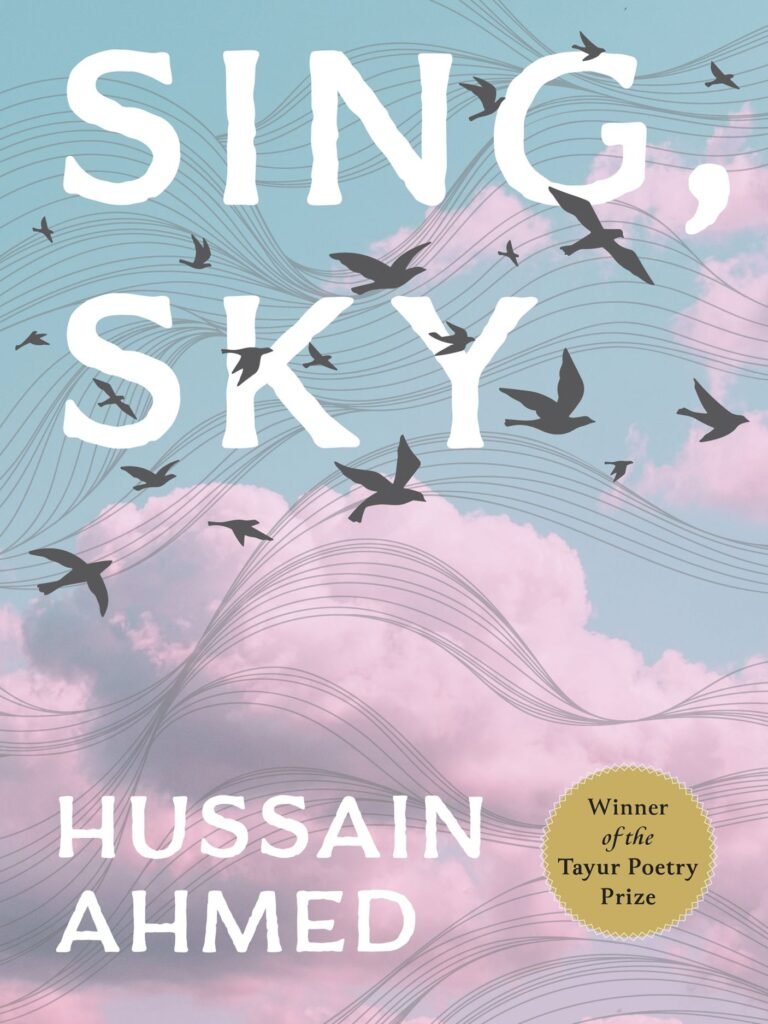
SING, SKY
“Sing, Sky is an assemblage of remedy, a sonic tenet of voices, and an ascension of possibility of the lyric to collapse time, space, and song. Hussain Ahmed applies a tender craft of syntactical prowess and narrative clarity to animate histories, cultures, the dead, the diasporic, and the music from across the Atlantic Ocean and back again to America. Sing, Sky affirms and quells the Brechtian inquiry on the existence of song during the most difficult of times, asking readers, ‘What use is a song if it cures nothing?’ Ahmed imagines and invents a new Yoruba lyric that is as propulsive as it is percussive toward a new liberation of song. Sing, Sky is a poetics that nurtures and reminds readers of the power of language to alchemize until the poet can build a new commons and say, ‘I have since learned to spell magic with my eyes closed in a bid to reimagine this city of wanderers.’ As such, Ahmed’s magic has forged a book that celebrates and widens the circle for past, present, and future to join, to read, and hear a future world of new song.”
Anthony Cody, author of Borderland Apocrypha
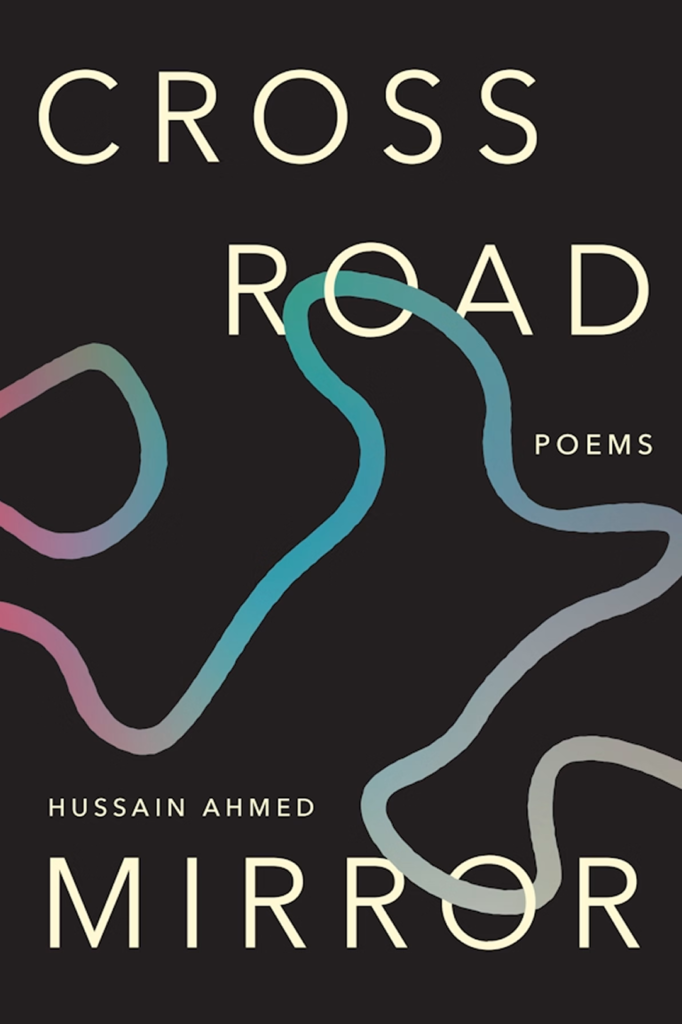
CROSSROAD MIRROR
“In a voice both ancestral and mercurial Ahmed braids dirge, ode, and blues in a manner that disrupts the binary between mourning and acceptance. In Ahmed’s deft hands, these thematic realms intersect as fluid nodes along the continuum of healing. ‘I have seen a body emptied of its memory . . . emptied of want,’ Ahmed laments. Ultimately this collection coalesces against such emptiness—he compels us to consider what radical afterlives might exist beyond the crossroads of loss. Dear reader, this collection is so much more than a journey of self or ancestry; this is the stuff of diasporic birdsong. This is what happens when Akala meets Sankofa in flight!”
Kweku Abimbola, author of Saltwater Demands a Psalm
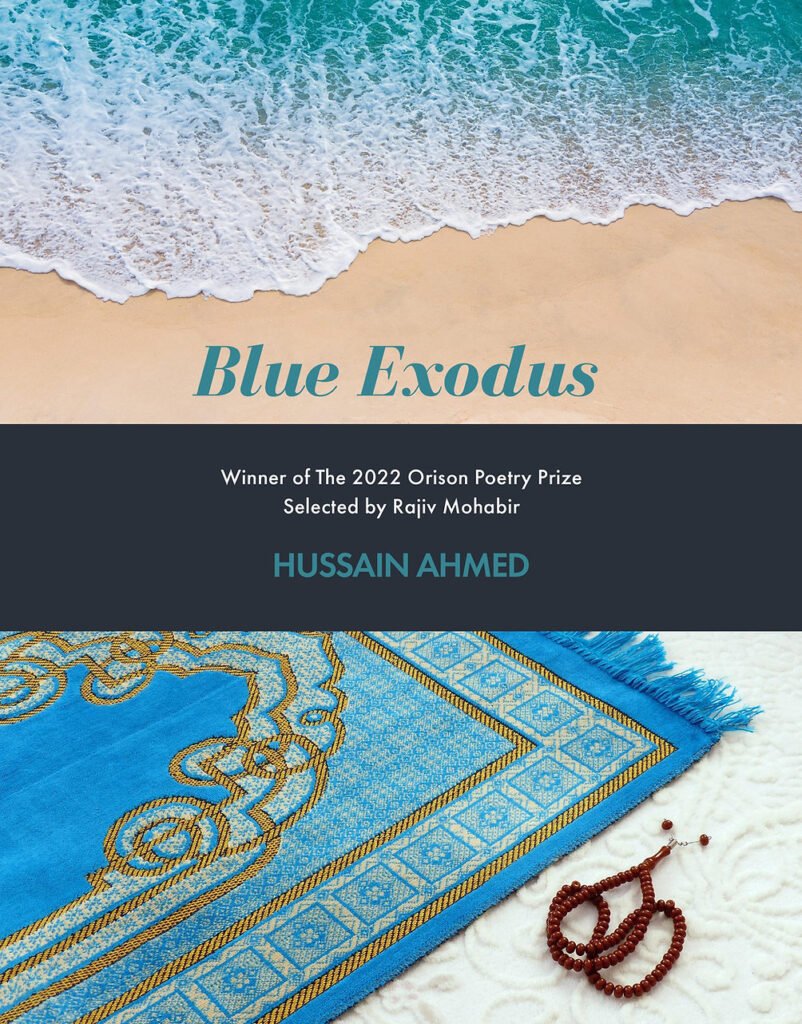
BLUE EXODUS
“Prayer, refuge, inheritance, and loss beat in the heart of these poems. Things are not what they seem to be: even in paradise ‘a baobab died / with roots inside the ground.’ Indeed, these lines ask the reader to interrogate all things in new vocabularies of anguish, born from the inheritor of a war—still being fought in the muscle memory of the people who lived through it. […] Reading this collection again and again, I come away with the specters of the living and passed, asking me what it means to live as a story lives, to write a life’s ghost into poem. Entreaties to the Divine remain unanswered and unfulfilled as people are sent off to wars or drown in seas trying to escape as the poet reminds us, ‘What twirls / over your roof / is either a kite / or a missile.’ […] The speaker-as-witness-as-refugee claims a place to stand in their mourning and grief, where ‘echoes are translated into qasida.’ Like the speaker calls out to the blackbird, I find myself calling out to the poet, ‘saa magni dear bird, / tell me a story.'”
Rajiv Mohabir, judge of The 2022 Orison Poetry Prize
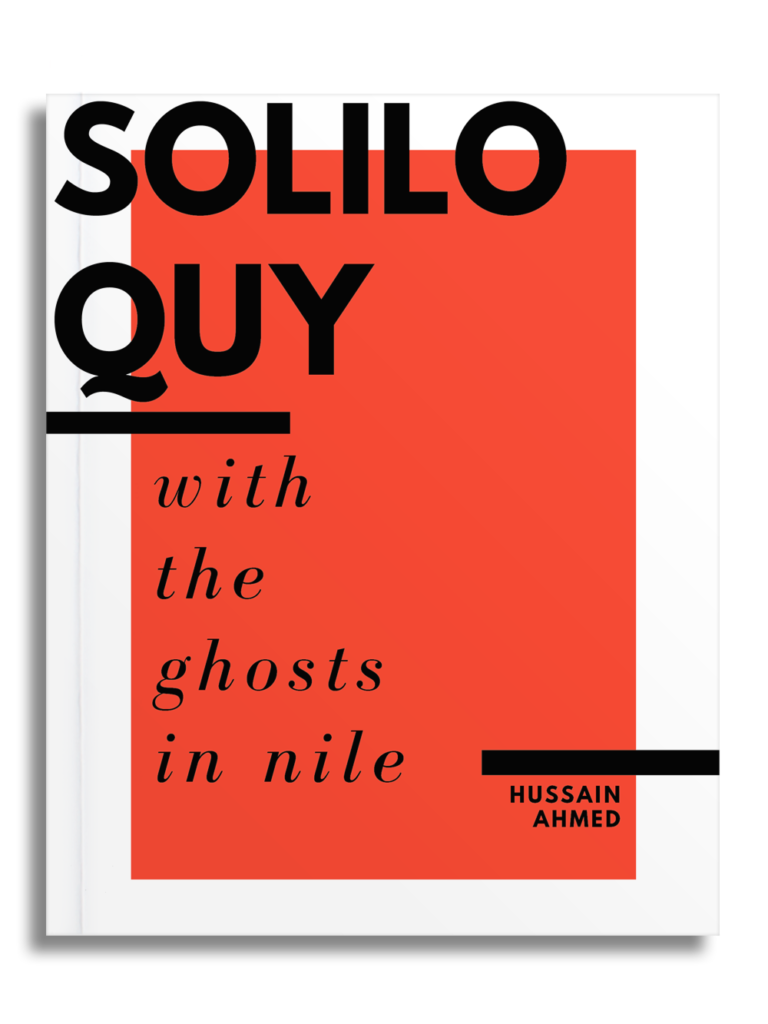
SOLILOQUY WITH THE GHOSTS IN NILE
“Hussain Ahmed’s Soliloquy with the Ghosts in Nile sings in prayer, remembrance, and embrace. These poems, of a survivor seeking to honor the lost, undo and remake language into a new apparatus with which to love and carry the dead. These poems are caretakers of memory, lush and in love with the world, even in war, even in grief. ‘The moon shines brightest during the curfew,’ Ahmed writes. ‘There are more birds in the sky during the war.’”
Melissa Ginsburg, author of Dear Weather Ghost